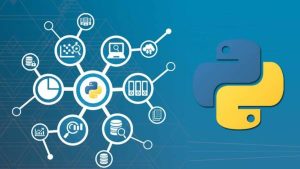
DevOps generates a massive volume of logs, metrics, and events that traditional manual analysis cannot process in real time. AI and machine learning turn this data into actionable insights, spotting anomalies, predicting failures, and surfacing security issues long before they reach production. As a result, DevOps teams can move faster while keeping applications, infrastructure, and customer data safe.
AI-Driven Security Across the Pipeline
In conventional DevOps pipelines, automated checks exist, but they often rely on static rules and signatures that miss novel or evolving attacks. AI-enhanced security tools continuously learn from code patterns, configurations, and runtime behavior to identify suspicious activity as it emerges. This transforms security from a reactive layer bolted on at the end into a proactive capability embedded at every stage of the SDLC.
AI also strengthens day-to-day operations by scanning commits, dependencies, containers, and infrastructure-as-code templates for misconfigurations and vulnerabilities. Advanced engines flag risky changes, analyze logs for anomalies, and highlight weaknesses caused by human error so teams can resolve them early.
Understanding Threat Types with AI
Modern DevOps environments face a mix of attacks, including malware, targeted exploits, supply chain compromises, and credential abuse. AI-classifiers examine file behavior, network traffic, and process execution to distinguish different threat families and their likely impact. This behavior-based view is more effective than static signatures alone and helps teams prioritize critical risks.
Machine learning models ingest threat intelligence from many sources and refine detection logic over time. As these models learn from real incidents and feedback from security engineers, false positives fall and high-severity issues are escalated faster.
Automating Threat Detection in CI/CD
When AI is integrated directly into CI/CD, every change is assessed in context before it moves further down the pipeline. AI-powered scanners analyze source code, third-party libraries, container images, and configuration files during build and test stages to catch issues that manual reviews or basic linters might miss. This protects production environments without slowing developer velocity.
AI-based monitoring also tracks pipeline behavior itself, watching for unusual patterns such as suspicious commit activity, tampered artifacts, or unexpected environment changes. Automated responses can block deployments, roll back changes, or trigger alerts when high-risk signals are detected.
Practical Strategies for AI-Driven DevSecOps
Successful AI-driven DevSecOps starts by augmenting existing tools rather than replacing everything at once. Teams typically connect AI engines to current scanners, SIEMs, and observability platforms so automated analysis can run continuously in the background. This approach delivers quick wins in detection quality without disrupting familiar workflows.
Training AI models on internal logs, incidents, and architecture-specific patterns is equally important. By tailoring models to the organization’s own systems and risk profile, teams reduce noise and surface context-aware alerts that are easier to action. A feedback loop between engineers and AI tools ensures that detection rules evolve in line with real-world threats and business priorities.
Continuous AI–DevOps Collaboration
As AI capabilities mature, DevOps is shifting toward predictive, self-adjusting systems. Emerging platforms can forecast capacity issues, identify likely failure points, and suggest fixes before customers are affected. Over time, this paves the way for self-healing infrastructure that automatically tunes resources and mitigates incidents.
Looking ahead, AI is expected to play a central role in real-time compliance, automated recovery, and continuous risk scoring across distributed environments. Organizations that adopt AI early and pair it with strong engineering oversight will be better positioned to handle the growing complexity and threat landscape of future DevOps.
Key Benefits at a Glance
The advantages of AI-enabled DevSecOps span speed, reliability, and governance. Common outcomes include:
- Earlier vulnerability detection across code, dependencies, and infrastructure.
- Reduced false positives and clearer prioritization for security fixes.
- Faster incident response and shorter downtime during attacks.
- Stronger compliance through continuous monitoring and automated reporting.
- Higher developer productivity thanks to fewer manual reviews and repetitive checks.
By embedding AI throughout the DevOps toolchain, teams build smarter pipelines and ship safer code at scale.
Read more such articles from our Newsletter here.