gRPC vs REST APIs: Key Differences, Pros & Cons, and Use Cases
As applications evolve from single-codebase systems into distributed architectures, the way services communicate becomes a critical design decision. APIs are […]

As applications evolve from single-codebase systems into distributed architectures, the way services communicate becomes a critical design decision. APIs are […]
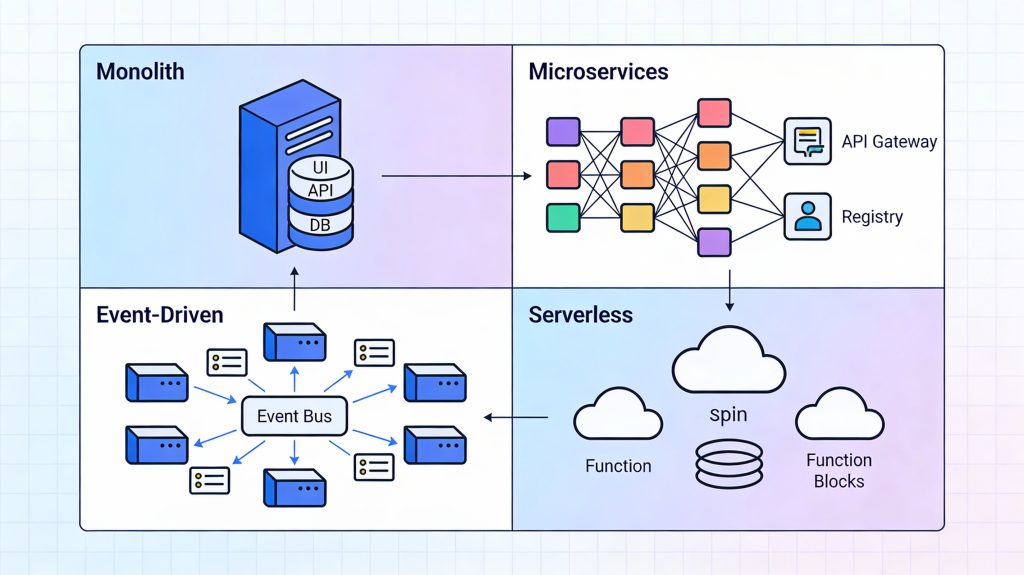
One of the most important architectural decisions in modern software development is choosing between a monolithic system and a microservices-based

Every scroll, search, and tap inside a modern application is powered by invisible logic running on servers, databases, and APIs.
The programming world in 2026 mixes long-standing stability with aggressive innovation, giving developers a toolkit that ranges from beginner-friendly scripting
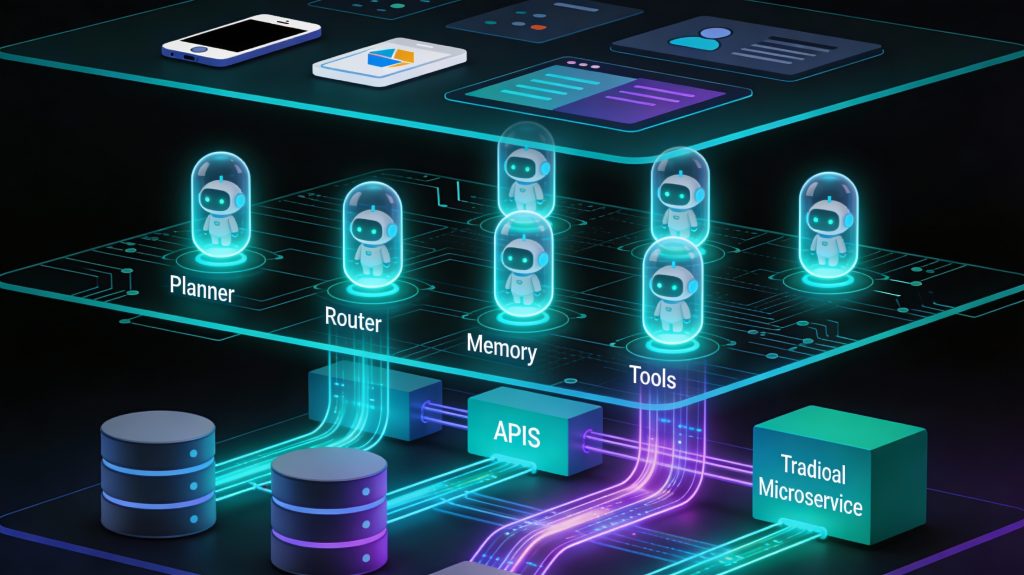
In the early 2010s, releasing software once a quarter was considered ambitious. Back then, even major analysts encouraged limited release

Modern applications, especially those that rely heavily on relational databases, must efficiently handle large volumes of read and write operations.

Modern distributed systems, especially microservices, tend to have inevitable failures. Services communicate over unreliable networks, dependencies may slow down, and

Modern applications demand speed, scalability, and flexibility, especially when they grow into distributed systems. Traditional CRUD-based architectures often struggle to

Modern applications generate massive volumes of data. As this data grows, performance starts dropping, queries slow down, and managing a

Modern software systems must be adaptable, testable, and resilient in the face of rapidly changing technologies. Traditional layered architectures often
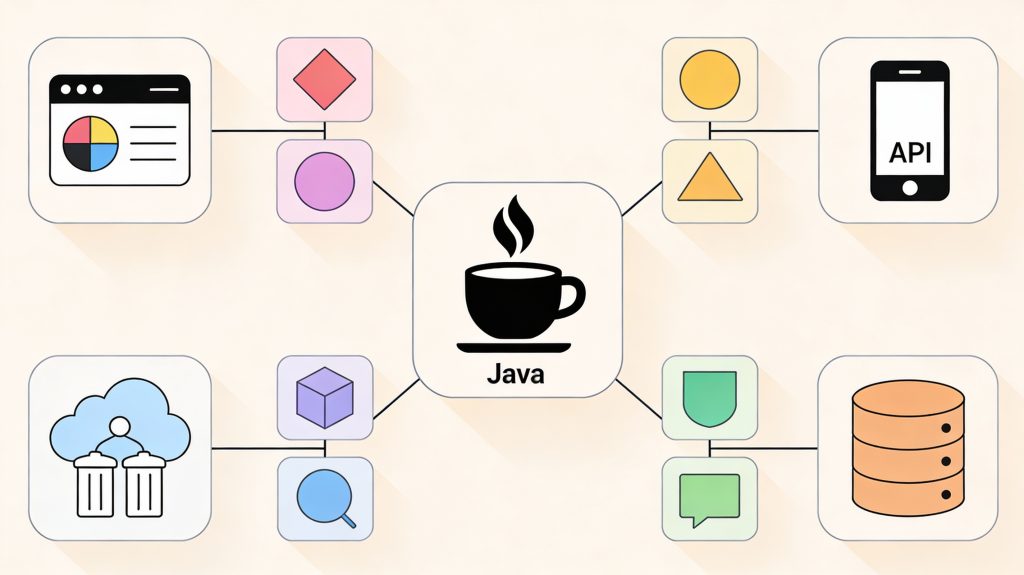
The Java ecosystem continues to evolve rapidly, but one thing remains constant: frameworks still define how fast teams ship, how

By 2026, backend developers will be expected to design systems that are scalable, observable, secure, and deeply integrated with cloud