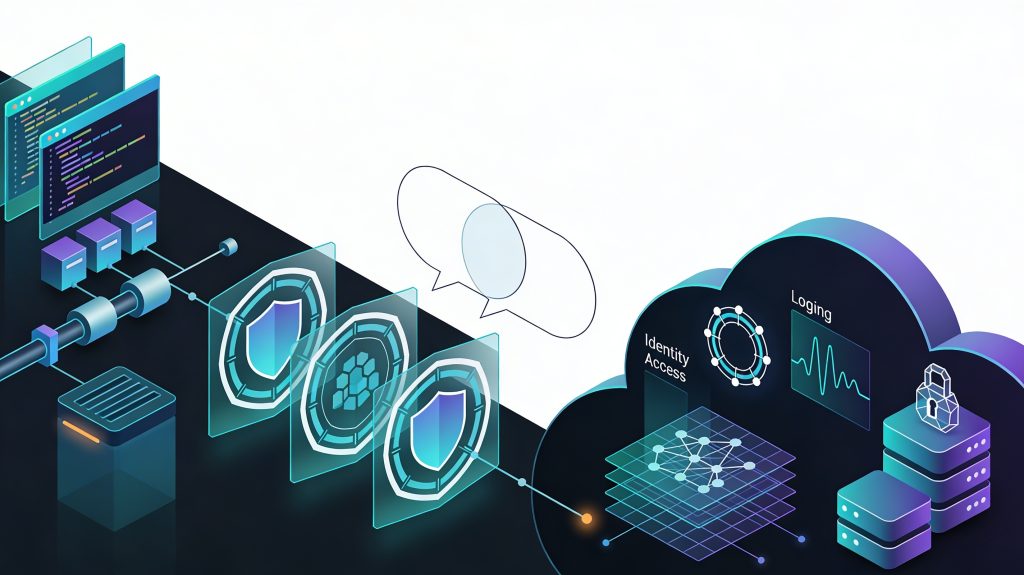
Ask a Security Engineer: From DevSecOps to Cloud Security
Security engineering moves quickly, and teams that treat security as a late-stage task tend to accumulate risk faster than they […]

The complete guide to DevOps for all the software engineers.
Security engineering moves quickly, and teams that treat security as a late-stage task tend to accumulate risk faster than they […]
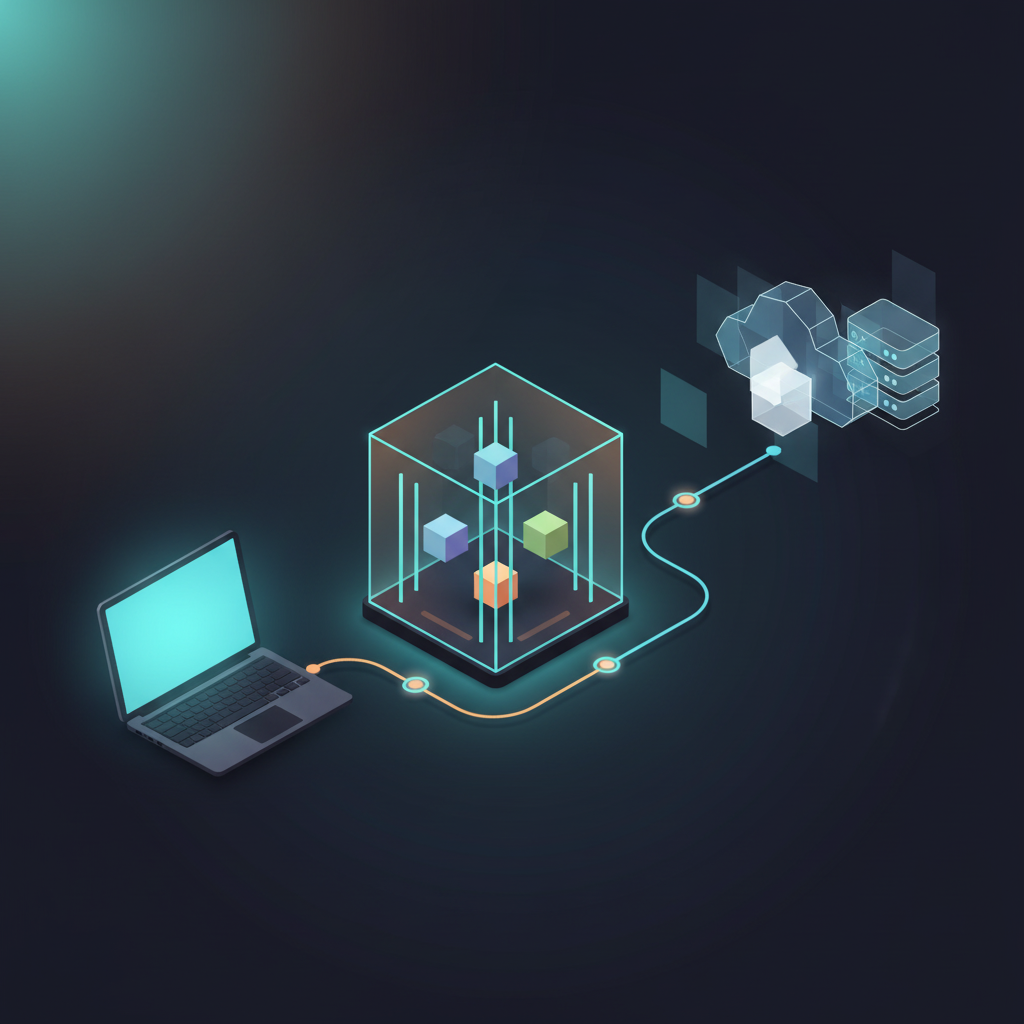
Docker has reshaped modern DevOps by making application delivery more predictable, portable, and efficient through lightweight containers rather than full
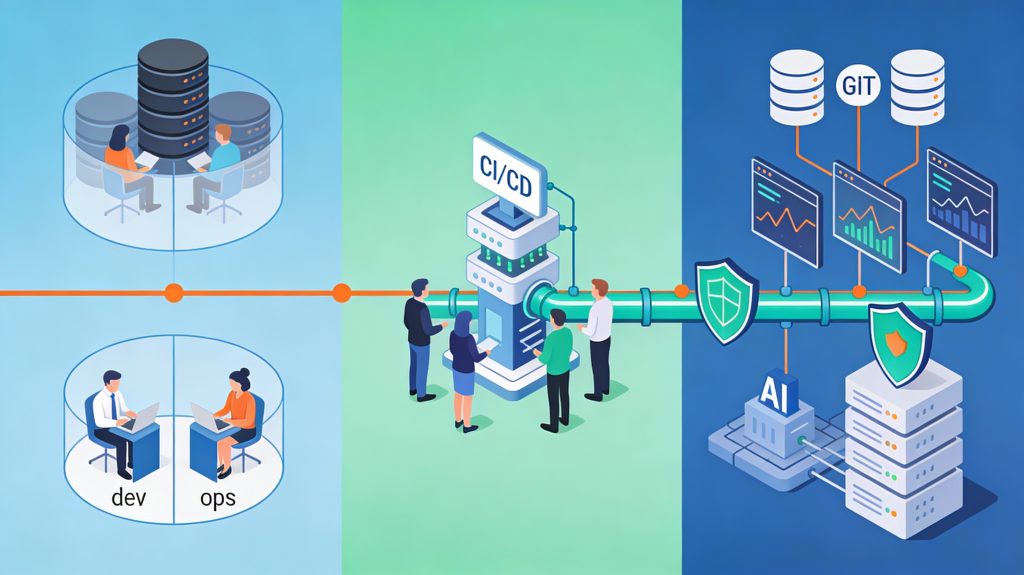
DevOps has come a long way from its early days of breaking down silos between development and operations. What began
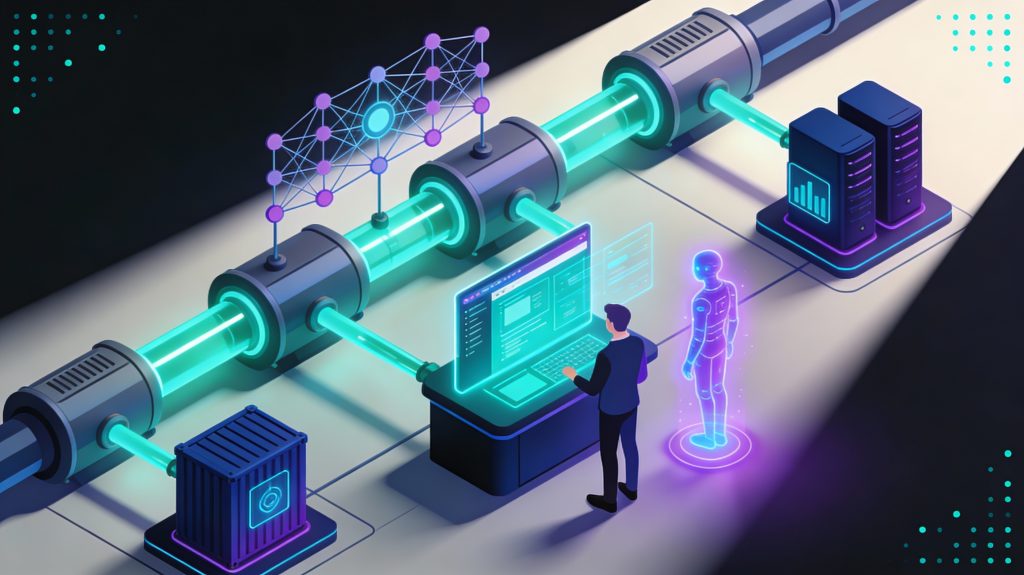
DevOps in 2026 looks very different from the “move fast and break things” era. Conversations across engineering teams are shifting
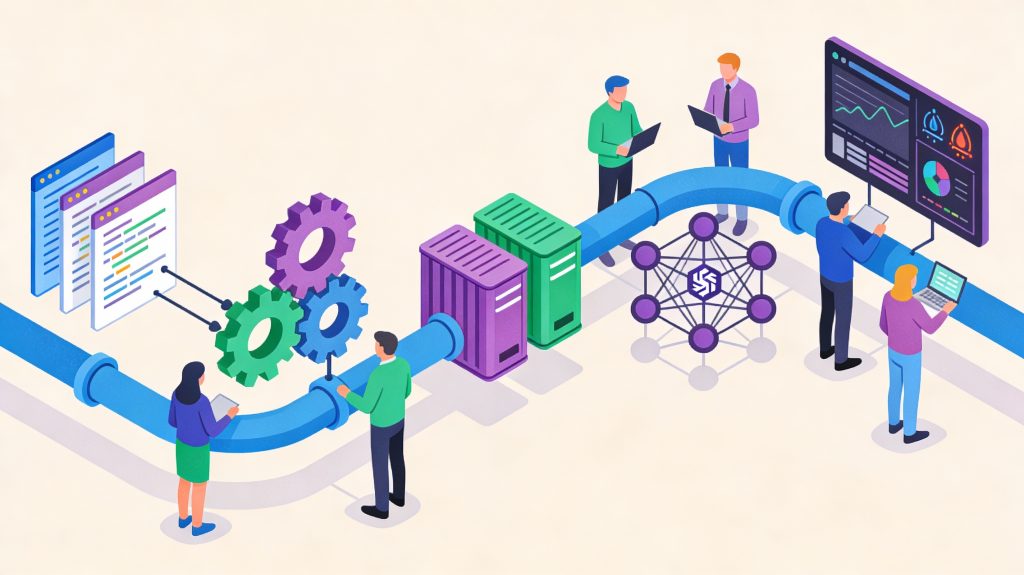
DevOps has evolved from a cultural movement into a complete operating model for modern software delivery. While its roots lie

InfoWorld’s 2025 Technology of the Year Awards showcase the software and cloud platforms that are redefining how organizations build, deploy,
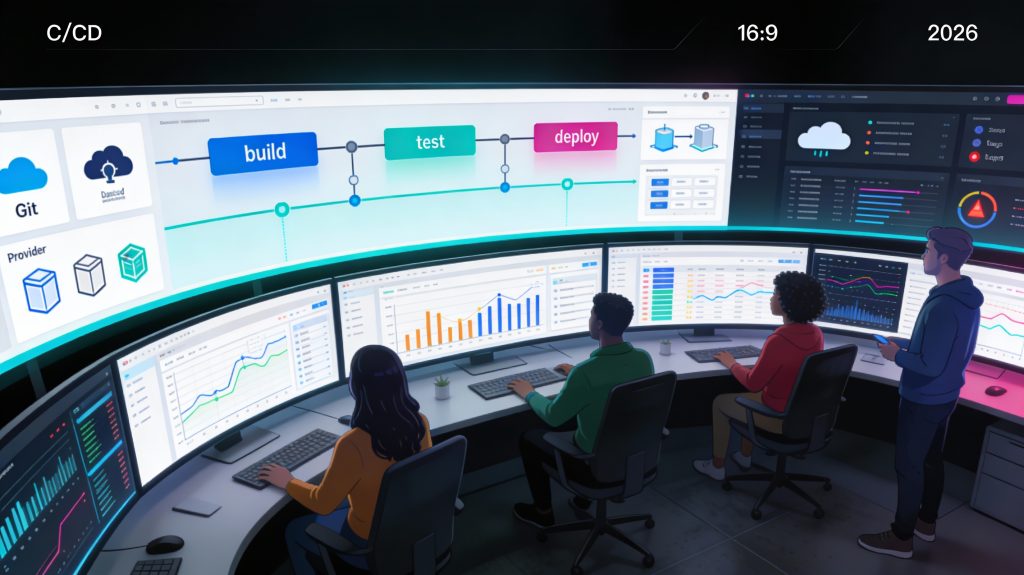
DevOps began as a cultural shift focused on breaking silos between development and operations, but in 2026 it is tightly

As more enterprises adopt cloud, containers, and microservices, managing infrastructure manually through dashboards is no longer sustainable. Infrastructure as Code
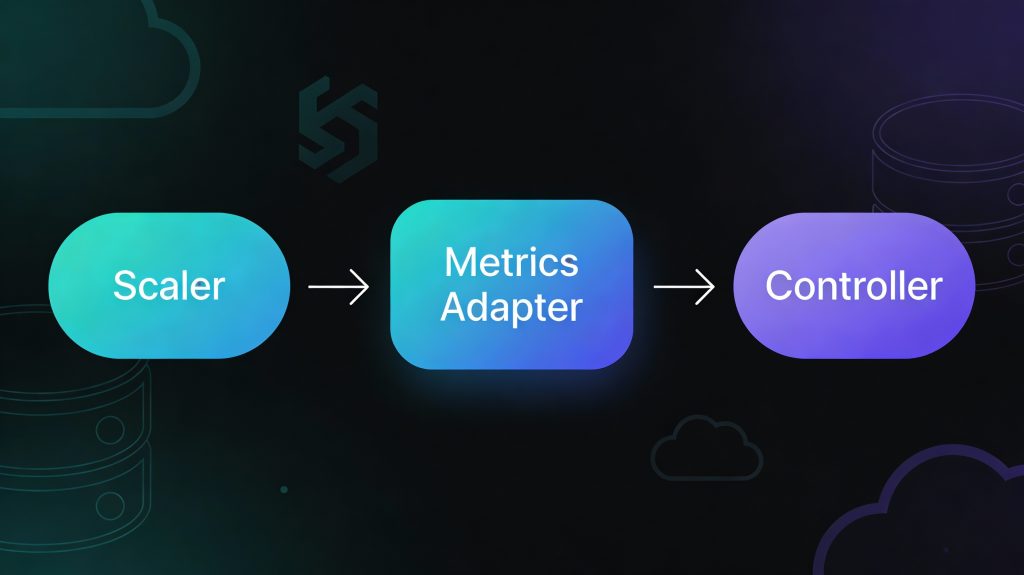
Kubernetes is great at keeping things running, but it doesn’t automatically know when to run them. That’s where autoscaling comes
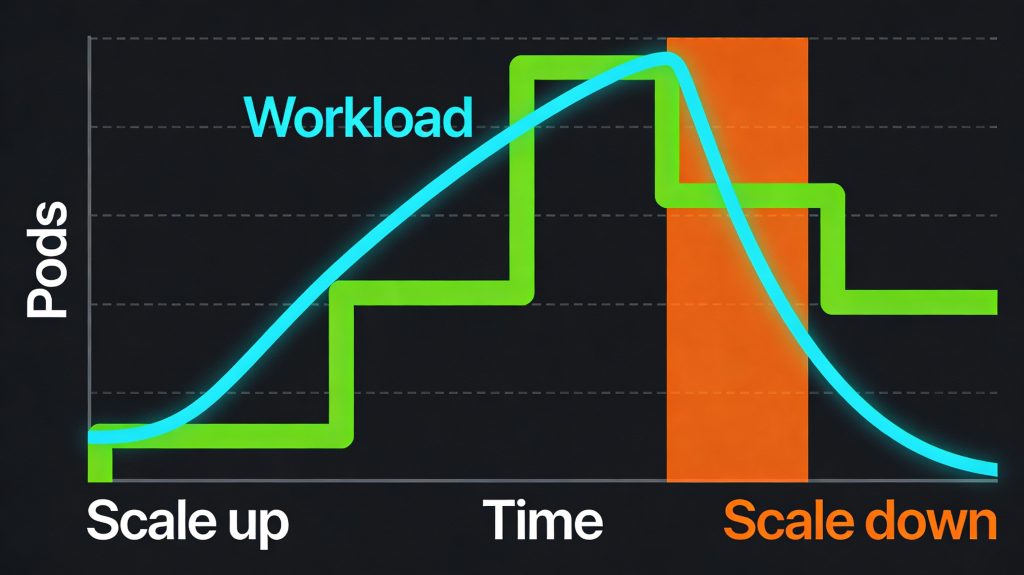
Static infrastructure fails dynamic applications. Provisioning for peaks wastes money, while provisioning for averages guarantees crashes during spikes. Kubernetes handles
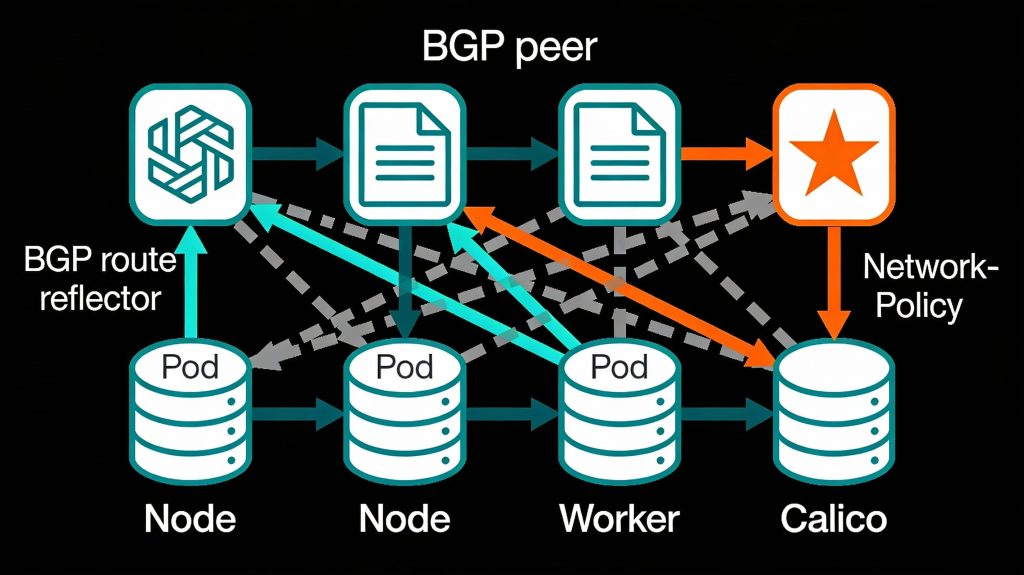
Most Kubernetes users install a CNI, configure it once, and hope they never have to touch it again. That works

Software engineering has a complexity problem. We unintentionally buried teams under a mountain of cognitive load by insisting “you build