Becoming a full-stack developer in 2026 is both more achievable and more confusing than ever. Modern tools make it possible to ship working software quickly, but the sheer number of frameworks, platforms, and “must-know” opinions can overwhelm anyone trying to learn. A realistic roadmap focuses less on chasing every trend and more on building strong fundamentals, shipping real projects, and developing the judgment to make trade-offs without burning out.
Full-stack development still matters because businesses keep needing people who can take a feature from concept to production. Startups value generalists who can move across the stack and deliver fast. Larger organizations also value developers who understand how frontend, backend, databases, and infrastructure fit together, because those engineers reduce bottlenecks and help teams collaborate effectively. In 2026, “full-stack” does not mean expertise in everything; it means broad capability across layers, paired with deeper strength in one or two areas.
The most common learning mistake is skipping fundamentals and jumping straight to a framework. Long-term career growth comes from understanding how the web works: HTTP behavior, caching, cookies and sessions, status codes, and browser security constraints such as CORS. Strong programming foundations matter too – especially knowing how to reason about data structures, complexity, and debuggingbe – cause these concepts show up constantly in real products.
On the frontend, proficiency begins with semantic HTML, modern CSS layout (flexbox and grid), responsive design, and accessibility basics. Frameworks like React remain popular, but the core skills are transferable: components, state, data flow, and predictable rendering behavior. Tooling should support productivity rather than become a rabbit hole. Many developers benefit from using a modern build setup, type checking, and consistent formatting early because it prevents avoidable errors and keeps teams aligned.
Backend work typically becomes the center of gravity for many full-stack roles. A developer needs to be comfortable designing APIs, validating inputs, managing authentication and authorization, and handling errors with reliable logging and monitoring. For many learners, using one language across frontend and backend reduces mental load, but the real advantage comes from mastering backend concepts that apply in any ecosystem: request lifecycle, middleware patterns, background processing, and safe handling of sensitive data.
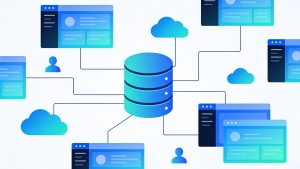
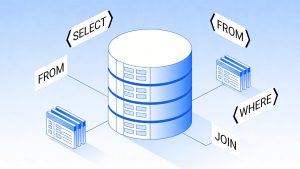
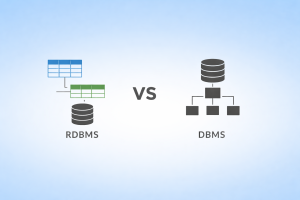
Databases are where many codebases quietly fail. A good roadmap emphasizes data modeling, writing efficient queries, understanding indexing, and using migrations responsibly. Developers should avoid defaulting to hype-driven choices and instead pick a database based on real requirements and expected usage patterns. Caching can dramatically improve performance, but it must be implemented with clear invalidation strategies to avoid subtle bugs.
Deployment is no longer optional knowledge for full-stack developers. They do not need to become infrastructure specialists, but they must understand how to ship code reliably with environment separation, CI/CD basics, secure secrets management, and backups. Starting simple is often the best strategy: early-stage projects benefit more from automated deploys and basic observability than from complex orchestration.
Testing and code quality practices are what turn a developer into someone a team can trust. A balanced approach usually combines fast unit tests, targeted integration tests, and a small set of end-to-end tests for critical flows. Code reviews, consistent linting and formatting, and structured debugging habits prevent teams from relying on heroics. Over time, technical debt should be tracked and addressed intentionally so it does not slow delivery.
AI tools are also reshaping how developers work. Used well, they accelerate boilerplate creation, documentation, and early debugging. But AI does not replace judgment: developers still need fundamentals to evaluate suggestions, spot security issues, and choose simple solutions over complicated ones.
A sustainable roadmap is ultimately built around doing. Building real projects, deploying them, fixing bugs, and learning from mistakes develops the practical skill set that tutorials cannot provide. The strongest full-stack developers in 2026 are not those who know every framework – they are those who can learn quickly, communicate clearly, and ship reliable software for real users.
Read more such articles from our Newsletter here