What Is an Application Developer?
Software development caters to comprehensive functionalities across various domains. Application development, with a more focused scope, is suitable for projects requiring specific features tailored to targeted user needs, ensuring a more efficient and purpose-driven solution.
An application developer is a critical part of technical and/or project management teams responsible for ensuring user needs are met through the deployment and updates of software. Application developers can be found in almost every industry sector, in any company interested in pushing new software and updates out to their end users on a routine basis. The application developer could be responsible for working with a team to deploy releases to internal or external clients.
They focus heavily on:
- User experience (UX/UI)
- Functionality
- Performance across devices
Key Responsibilities of an Application Developer
Application developers have many responsibilities that fall on their shoulders. These have to do with managing the application lifecycle, knowledge of certain principles in coding, support, and collaboration efforts. Majorly, they are responsible for designing and building software applications that users directly interact with. These can range from mobile apps to web platforms and business tools.
- Designing user-friendly interfaces
- Writing code for mobile, web, or desktop apps
- Testing and debugging applications
- Integrating APIs and third-party services
- Ensuring responsiveness and performance
- Updating apps based on user feedback
In detail:
Coding and Design
It stands to reason that a very basic tenant of application development is an in-depth knowledge of coding and application design principles. Depending on the specialization, application developers need to know the right programming language to code for the operating system they are designing for.
Typical programming languages include:
- Java / JavaScript
- C++
- Python; and
- PHP
Application Development Management
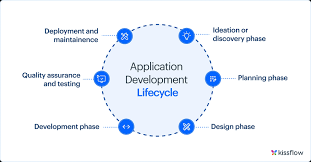
Among the most robust responsibilities of an application developer is application management. As the name implies, a soft skill that application developers must present is an organized ability to manage the application lifecycle and the people involved in the process, to ensure smooth deployment and post-deployment modifications.
Common Types of Applications They Build
Application development can be defined as taking steps to build, test, and deploy applications in a business setting. If a business or organization requires a specific type of application to be created, then the processes may differ.
- Mobile apps (Android/iOS)
- Web applications (SaaS platforms)
- Enterprise applications (CRM, ERP systems)
- E-commerce platforms
- Industry-specific tools (e.g., healthcare or pharma apps)
What Is a Software Developer?
A software developer has a broader role that involves designing, building, and maintaining all types of software systems, not just user-facing applications. Software developers use programming and design knowledge to build software that meets the needs of users and build applications that allow users to do specific tasks, and the underlying systems that run the devices or control networks.
Software quality assurance analysts and testers design and execute software tests to identify problems and learn how the software works. They will meet with a client who has a need for software to be developed, and then will build, test, and deploy that software based on the specifications they have received.
Many people are unaware that the term “software developer” is a broad one. It’s a whole family of specialized jobs, not just one. You can be a:
- Frontend Developer
- Backend Developer
- Full-Stack Developer
- Mobile App Developer
- DevOps Engineer
- Cloud Developer
- Data Engineer, and more
Software developers work on:
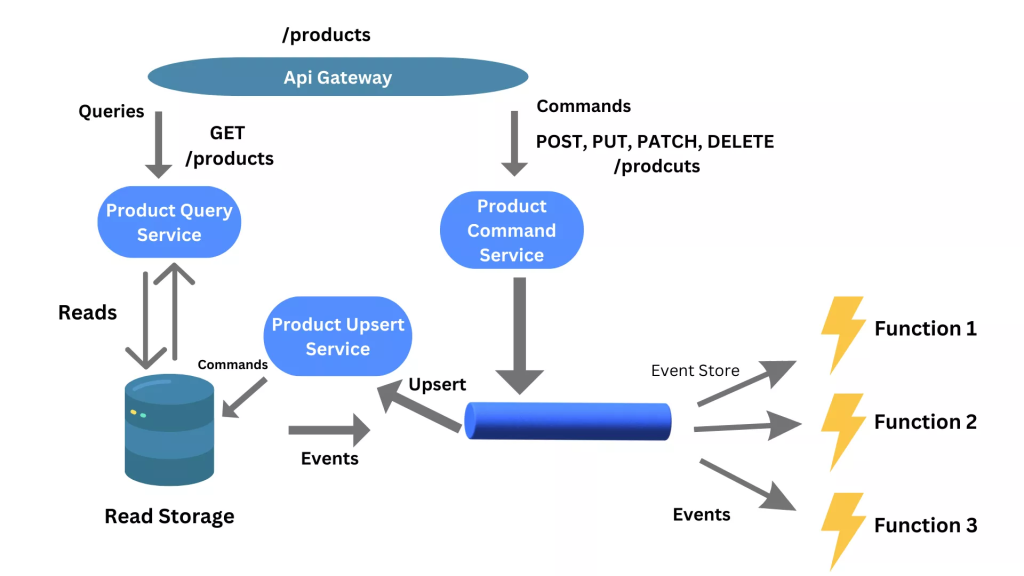
- System architecture
- Databases
- Operating systems
- Middleware
Key Responsibilities of a Software Developer
Software developers design, program, build, deploy, and maintain software using a range of skills and tools. They also help build software systems that power networks and devices, and ensure that those systems remain functional.
Almost every industry uses software to power its gadgets and applications. Software developers can be found in a variety of industries, including manufacturing, business, technology, defense, healthcare, and aerospace. They are less likely to be involved in the day-to-day programming of the software, especially at larger companies, but they do review code for errors and identify areas for improvement. Usually, they begin their career as a software programmer and rise to the level of a developer.
- Designing system architecture
- Writing backend and system-level code
- Managing databases and servers
- Ensuring software scalability and security
- Debugging and optimizing performance
- Collaborating with cross-functional teams
Types of Software They Typically Build
Software developers primarily build four types of software, that includes systems software, application development, web development, mobile development, and game development. Desktop operating systems, front-end development, software applications, and complex programs are subtypes.
- Operating systems
- Database systems
- Backend services and APIs
- Embedded systems
- Enterprise platforms (like LIMS, ERP)
Application Developer vs Software Developer: Key Differences
Software development consists of a wide range of applications for diverse platforms, including desktops, servers, and embedded systems. On the other hand, application development specifically tailors software for targeted platforms such as mobile devices or web browsers.24 Feb 2026
1. Scope of Work
Software developers design, program, build, deploy, and maintain software using a range of skills and tools. Application developers mostly focused on building process and user-specific applications.
- Application Developer: Focused on specific applications
- Software Developer: Works across systems, platforms, and applications
2. Technologies and Tools Used
Programming software gives programmers tools such as text editors, compilers, linkers, debuggers, and other tools to create code. Application software (applications or apps), such as office productivity suites, data management software, media players, and security programs, helps users complete specific tasks.
- Application Developer:
- React, Angular, Flutter
- Swift, Kotlin
- UI/UX tools
- Software Developer:
- Java, C++, Python
- System design tools
- Database technologies
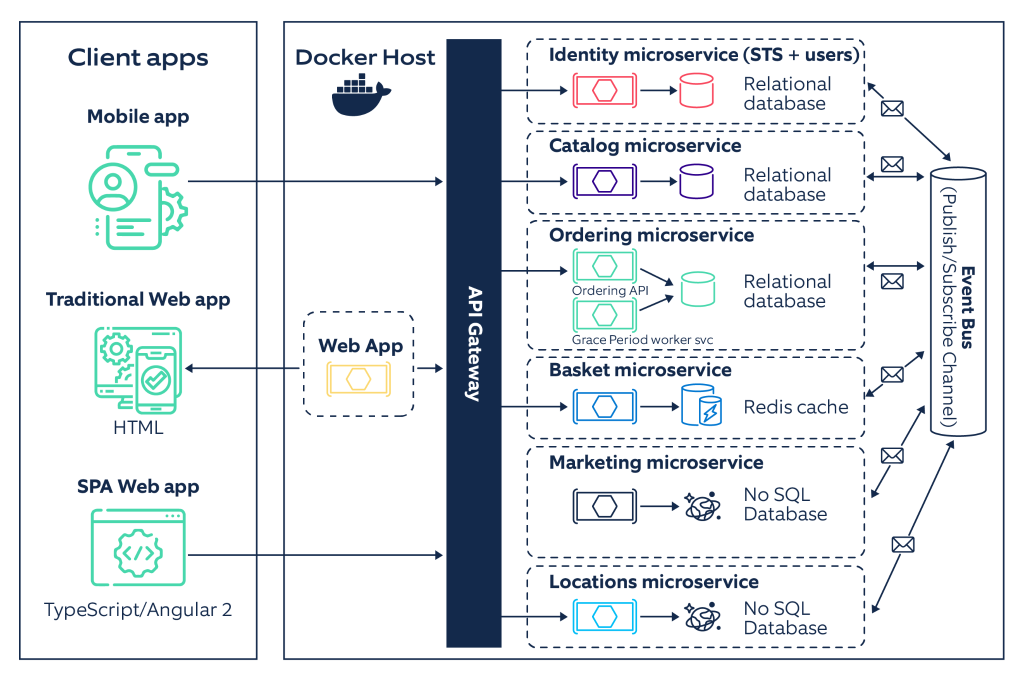
3. End Users and Platforms
End users for software development and application development can be vary on the basis of a few use cases.
- Application Developer: End-users (customers, employees)
- Software Developer: Systems, developers, and infrastructure
4. Skills Required
Application Developer:
- UI/UX understanding
- Frontend/backend integration
- Cross-platform development
Software Developer:
- Data structures & algorithms
- System design
- Performance optimization
You may also like : Full-Stack Development 2025: Essential Software Engineering Skills Every Developer Must Master
Salary and Career Opportunities
Application developers and Software developers are both in high demand, but their salaries can vary based on specialization, experience, and industry.
- Application Developers often see strong demand in mobile and SaaS companies
- Software Developers tend to earn more in system-level roles, backend engineering, and specialized domains
In industries like pharma, fintech, and enterprise tech, software developers working on regulated systems and infrastructure often command higher salaries.
Which Career Path Should You Choose?
Choose Application Development if you:
- Enjoy building user-facing products
- Like design and user experience
- Want to work on mobile or web apps
Choose Software Development if you:
- Enjoy problem-solving at a deeper technical level
- Are interested in systems, architecture, and scalability
- Want to work on complex platforms or infrastructure
Many professionals start as application developers and later transition into broader software roles.
The Future: Blurring Lines Between Roles
The traditional boundaries between application developers and software developers are rapidly dissolving. What was once a clear separation, front-end versus back-end, user experience versus system architecture, is now evolving into a more integrated, collaborative approach to development.
Modern technology demands end-to-end ownership. Developers are no longer confined to a single layer of the stack. With the rise of full-stack development, professionals are increasingly expected to understand both how an application looks to users and how it functions behind the scenes. This shift is driven by the need for faster delivery, better collaboration, and more cohesive digital products.
With the rise of:
- AI-assisted development
- Low-code/no-code platforms
- Cloud-native systems
Now the distinction between application and software developers is becoming less rigid.
Modern developers are increasingly expected to:
- Understand both frontend and backend
- Work across the full development lifecycle
- Build scalable and intelligent systems
Several key trends are accelerating this convergence:
1. Rise of Full-Stack Development
Full-stack developers are becoming highly valuable because they can work across the entire application lifecycle—from designing user interfaces to managing databases and APIs. This reduces dependency gaps between teams and speeds up development cycles.
2. Cloud-Native and API-Driven Architectures
With cloud platforms and microservices, development is no longer siloed. Developers interact with distributed systems, third-party integrations, and scalable infrastructure, requiring a broader understanding of both application logic and system design.
3. DevOps and Agile Practices
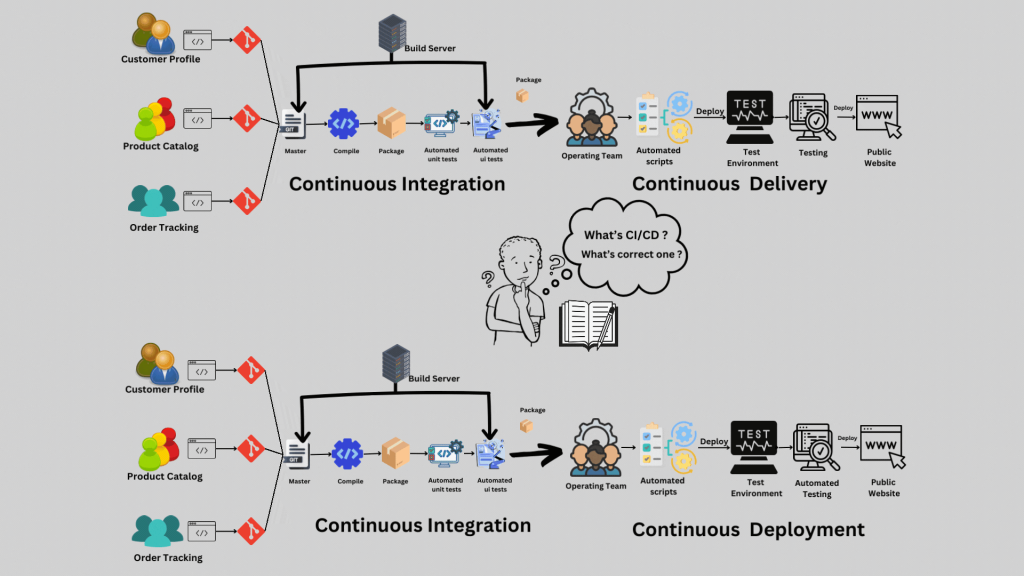
The adoption of DevOps has blurred the line between development and operations. Developers are now involved in deployment, monitoring, and performance optimization, areas traditionally handled by separate teams.
4. User-Centric Engineering
Even backend developers are expected to think about the end user. Performance, reliability, and responsiveness directly impact user experience, making collaboration across roles essential.
5. AI and Automation in Development
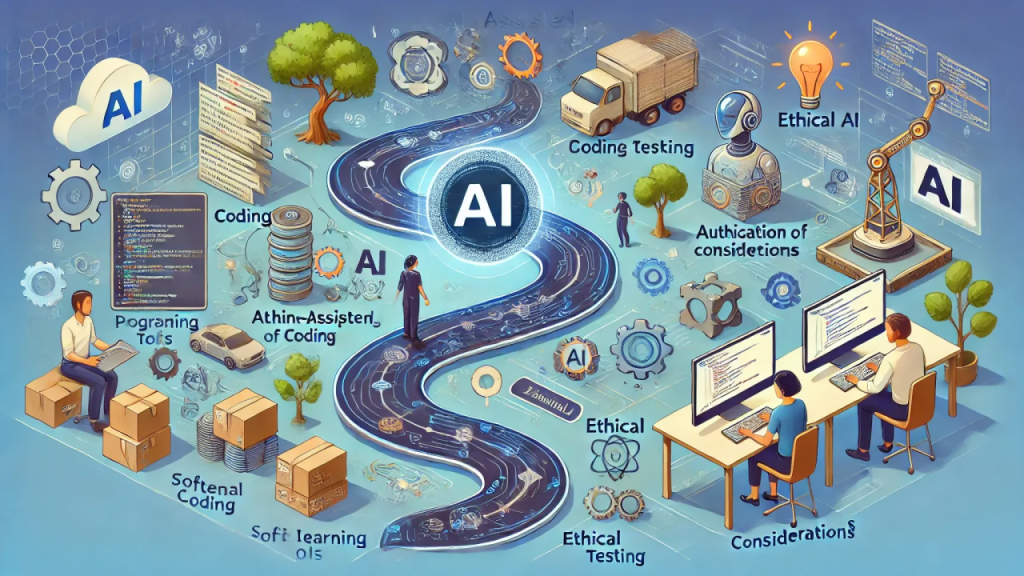
AI-powered tools are simplifying repetitive coding tasks, allowing developers to focus more on problem-solving and system thinking rather than just writing isolated pieces of code.
As these trends continue, the industry is moving toward a model where roles are defined less by rigid titles and more by capabilities. The most successful developers will be those who can adapt, learn continuously, and contribute across multiple layers of the development process.
Final Thoughts
The rapidly evolving tech landscape shows that neither role can exist in isolation. Modern digital products require tight collaboration between front-end experiences and back-end systems. This is why the line between these roles is gradually blurring, especially with the rise of full-stack development, cloud computing, and integrated development environments.
Looking ahead, the most valuable professionals will be those who can bridge the gap between application development and software engineering. Individuals who understand both the user perspective and the technical architecture will be better equipped to build holistic, future-ready solutions.
Frequently Asked Questions
Is an application developer the same as a software developer?
No. An application developer is a subset of a software developer, focusing mainly on user-facing applications.
Can a software developer become an application developer?
Yes. With knowledge of UI/UX and frontend frameworks, software developers can easily transition into application development roles.
Which role pays more: application developer or software developer?
Generally, software developers, especially those in backend, systems, or specialized industries, tend to earn more. However, this varies by skill and experience.
What skills do employers look for in developer roles?
Common in-demand skills include:
- Programming languages (Python, JavaScript, Java)
- Problem-solving and logical thinking
- System design and architecture
- Communication and collaboration
- Understanding of cloud and AI tools